







Search Results for: No. 600 Coffee

Coffee from No. 600 Wanping South Road Goes Mainstream: Shanghai Mental Health Center's Collaborative Special Drink Sold Out Upon Launch
Shanghai Mental Health Center has once again drawn attention by using coffee as a medium. This time, its co-branded coffee "Music + Spirit," launched in collaboration with the Shanghai Symphony Orchestra, quickly sold out after release. Not only did long lines form at the offline store, but online channels also announced they were out of stock, leaving consumers waiting for pre-sales. This special coffee blend incorporates chocolate powder and American cayenne pepper powder and is available only at the COFFEE CUBE coffee shop inside the symphony orchestra. The simultaneously launched archive-file handbag contains ten drip coffee bags from different regions, each with a QR code that allows listeners to hear ten symphonic works and audio interpretations by mental health experts on urban emotional issues such as workplace PUA and insomnia. This is another successful creative attempt by the center to break out of its niche after "No. 600 Mooncakes," reflecting the market trend in which coffee has become a daily necessity for urban young people. [more…]

Luckin's 10,000th store milestone lands in Xiamen: A 600-square-meter two-story flagship store debuts on Zhongshan Road on June 5.
Luckin Coffee is about to celebrate the opening of its 10,000th store worldwide. This highly commemorative location is situated in Xiamen, the city where the brand's headquarters is based, specifically on Zhongshan Road Pedestrian Street in Siming District. With a total area exceeding 600 square meters, it features a two-story layout and is expected to officially open its doors on June 5th. Unlike typical Luckin stores, this location is positioned as a testing ground for a brand-new format, introducing new sections such as automated pour-over and roasting, and adopting an industrial style accented with gold in its design instead of the classic blue and white color scheme. As soon as the news broke, many netizens engaged in lively discussions about the operational pressures of such a large space. As the brand with the leading number of stores in China's coffee market, Luckin's milestone move has drawn significant industry attention. [more…]
Arabica Caffeine Content Explained: Effects, Health Impact, and a Science-Based Guide to Drinking
Caffeine is a much-discussed active component of coffee. It dissolves easily in hot water but poorly in cold water, stimulates the central nervous system, sharpens the mind, and also has cardiotonic and diuretic effects. A cup of coffee typically contains 60-65 milligrams of caffeine, but excessive intake may cause discomfort such as tinnitus and palpitations. Black coffee is considered the way of drinking that best preserves the beneficial components, offering multiple functions such as refreshing the mind, stimulating the appetite, promoting urination, activating blood circulation, relieving asthma, and removing odors. Light roasts have a higher caffeine content, which helps with weight loss, while the antioxidant effects of black coffee help fight cancer and aging. A healthy adult can metabolize 500-600 milligrams of caffeine per day, roughly equivalent to 5 cups of coffee, while pregnant women need to reduce their intake. This article will systematically analyze the mechanisms of caffeine's effects, its pros and cons, suitable populations, and scientific drinking methods, and recommend quality products from Front Street Coffee. [more…]
Tims China Launches Single-Store Franchise Model: First Batch in Beijing and Shanghai, High Thresholds Coexist with Loss Pressures
Tims China recently announced the launch of its "Partner Program," initially opening single-store franchising in Shanghai and Beijing, marking a shift in its franchising strategy from city-level franchising to a single-store model. However, the startup capital of over 600,000 yuan, its persistently loss-making financial performance, and the fiercely competitive market environment have sparked widespread discussion about this move. This article sorts through Tims' franchising details, cost structure, market background, and consumer feedback, exploring whether, amid intensifying competition in the coffee sector, opening single-store franchising is its "big move" to accelerate expansion or a reluctant response to difficult circumstances. [more…]

Priced at over 1,600 yuan per kilogram, is Brazilian bird poop coffee really worth drinking?
Coffee culture is becoming increasingly widespread, and all kinds of unusual coffees keep emerging. After Indonesia's kopi luwak took the world by storm, Brazil in recent years has rolled out "bird poop coffee"—made from beans that pass through the droppings of the bare-faced curassow after it eats coffee cherries. Locally, this coffee is called "the best coffee in Brazil," and it sells for about 1,118 Brazilian reais per kilogram (roughly 1,650 yuan), placing it among the most expensive coffees in the world. Front Street Coffee takes you through the origins of bird poop coffee, its flavor characteristics, the reasons behind its high price, and whether it and other novelty coffees like kopi luwak are truly worth embracing by the general public. [more…]
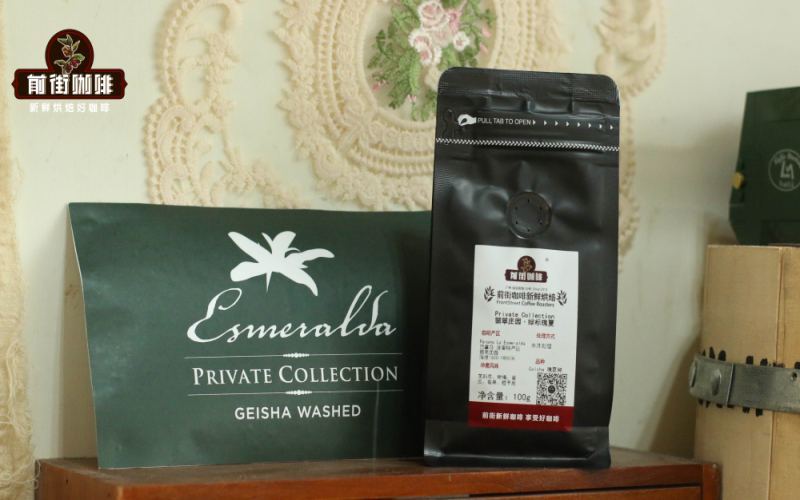
A Complete Guide to Panama Geisha Coffee Origins: Boquete Region, Hacienda La Esmeralda Plot Classifications, and Red/Green Label Brewing Guide
Panama is one of the most dazzling origins on the global specialty coffee map, and Geisha is the legendary variety that propelled this small Central American nation onto the world stage. From the Boquete and Volcán growing regions around the Chiriquí volcano to Hacienda La Esmeralda's meticulously divided Jaramillo, Cañas Verdes, and El Velo plots, altitude, microclimate, and processing methods together shape Geisha's signature floral and citrus notes. This article systematically reviews the cultivation geography of Panamanian Geisha, traces the historical development of its representative estates, analyzes the grading differences between Red Label and Green Label, and includes Front Street Coffee's V60 staged brewing parameters and flavor descriptions, offering coffee enthusiasts a complete reference on origin and tasting. [more…]
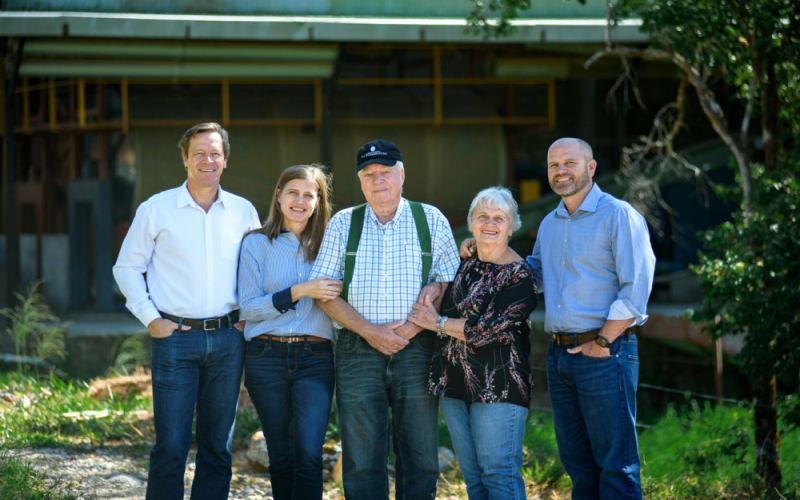
A Complete Guide to Panama Hacienda La Esmeralda Geisha Coffee: Flavor Profiles and Origins of the Three Brands—Red Label, Green Label, and Diamond Mountain
Hacienda La Esmeralda in Panama is the benchmark origin for Geisha coffee worldwide, and its three main brands currently on sale each have distinct characteristics: Esmeralda Special (Red Label Geisha) is a competition-auction grade, grown at 1,600–1,800 meters above sea level, scoring above 91 points in cupping, and available only through global auctions; Private Collection (Green Label Geisha) consists of non-competition micro-lots blended beans of excellent quality, offering better value for money; Diamond Mountain is a star product that is not Geisha, composed of Caturra and Catuai, and produced from the two farms Jaramillo and Cañas Verdes. Front Street Coffee offers both washed and natural lots for all three brands, with flavors ranging from tropical fruit to citrus and honey, each with its own merits. This article will provide a detailed interpretation of each brand's origin information, grade classification, processing methods, and cupping performance, helping coffee enthusiasts gain a comprehensive understanding of Hacienda La Esmeralda's product system. [more…]
A Complete Guide to Panamanian Specialty Coffee: Geisha Variety, Processing Methods, Estate Grading, and Pour-Over Parameters
Panama is a leading specialty coffee producer in Central America, renowned worldwide for Hacienda La Esmeralda's Geisha. From the perspective of Front Street Coffee, this article systematically reviews Panama's coffee-growing regions, the history and plot divisions of Hacienda La Esmeralda, and the brand grading logic behind Red Label and Green Label Geisha. It also provides a detailed introduction to Geisha coffee's flavor characteristics and processing methods, along with Front Street Coffee's recommended brewing parameters and three-stage extraction technique, helping coffee lovers gain a comprehensive understanding of the appeal of Panamanian specialty coffee. [more…]
A Detailed Guide to Panamanian Coffee Bean Varieties, Flavors, and Processing Methods: From Hacienda La Esmeralda Geisha Grading to Red and Green Label Brewing Parameters
Panama is a representative producer of specialty coffee in Central America. Thanks to its unique terroir and refined estate management, it has given rise to the world-famous Geisha coffee. This article systematically reviews the altitudes and characteristics of Panama's four major coffee-producing regions, with a focus on the history of Hacienda La Esmeralda, its plot divisions, and the Geisha grading system, and provides a detailed explanation of the definitions, flavor profiles, and processing differences of Red Label and Green Label Geisha. It also includes Front Street Coffee's brewing recommendations and three-stage extraction parameters for Hacienda La Esmeralda Geisha, helping coffee enthusiasts fully understand the complete journey of Panamanian Geisha from origin to cup. [more…]

What is the price tier of Panama Hacienda La Esmeralda Red Label Geisha coffee beans? An analysis of Geisha flavor, taste, and grading system
Geisha coffee is often regarded as the pinnacle of specialty coffee, especially the Red Label, Green Label, and Blue Label lots produced by Panama's Hacienda La Esmeralda, whose prices and flavors attract much attention. From the perspective of Front Street Coffee, this article systematically reviews the history of Geisha's spread, the differences between Ethiopian and Panamanian Geisha, the grading methods of Gesha Village, and the three major plots of Hacienda La Esmeralda along with the Red Label, Green Label, and Blue Label tier system, and analyzes the reasons behind Geisha coffee's high price. The article also retains product information and brewing suggestions for Front Street's Emerald Red Label, Green Label, and Blue Label Geisha, making it suitable reading for coffee enthusiasts who want to gain a deeper understanding of Geisha's grades and flavor. [more…]
The Past and Present of Panama Boquete Geisha Coffee: A Complete Analysis from Hacienda La Esmeralda Variety Tracing to Red and Green Label Flavor Profiles
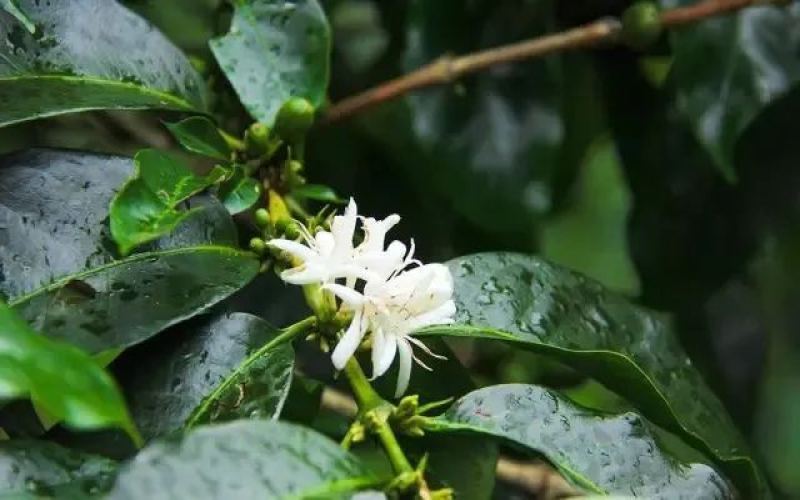
Today, Geisha coffee stands at the pinnacle of specialty coffee, and Hacienda La Esmeralda in Panama played a crucial role in that journey. But did you know that this bean was originally used as a windbreak tree? And how did the volcanic soil and microclimate of the Boquete region shape its signature floral and citrus notes? This article will take you into the highlands of Chiriquí, Panama, tracing Geisha's complete story from its origins as a native Ethiopian variety to its rise as a Best of Panama champion. We'll break down the terroir differences among Hacienda La Esmeralda's three major plots—Jaramillo, Cañas Verdes, and El Velo—and examine the grading logic, brewing parameters, and flavor profiles of the Red Label and Green Label lots one by one. Whether you want to understand the ins and outs of auction lots or are planning to pick up a bag of Front Street Coffee's Hacienda La Esmeralda Geisha, this article offers solid, practical guidance. [more…]
Why Is Cold Brew Coffee Priced So High? Breaking Down the Full Cost of a Pot of Cold Brew, from Equipment and Coffee Dose to Time Required
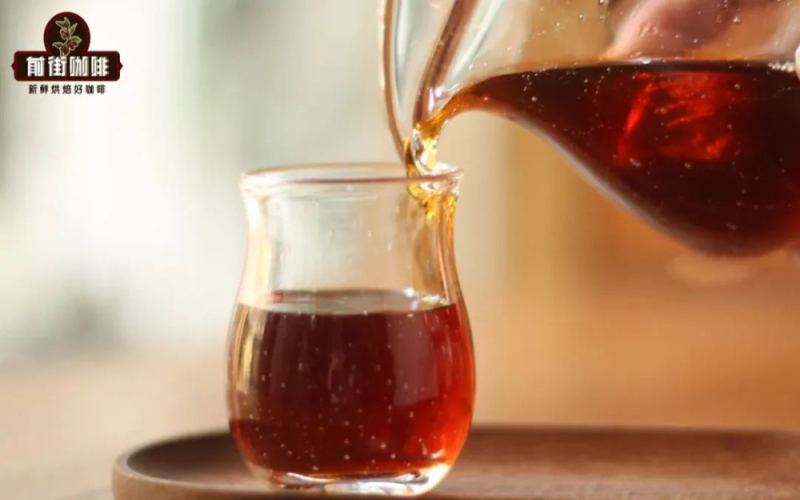
When the weather gets hot, cold drip coffee becomes the second most popular item in cafés after iced Americano. But many customers wonder: what exactly is the difference between cold drip and Americano? Why is it always more expensive? The answer actually lies in how it's made. Cold drip belongs to the broad category of cold brew, yet it's more particular than ordinary cold brew—it requires a dedicated cold drip tower and slow drip filtration with low-temperature ice water, a process that easily takes five to eight hours, plus refrigerated aging, so a 600ml pot of cold drip takes over ten hours from start to finish. The dose of grounds is also larger: 60 grams of coffee grounds yield only three cups, whereas the same amount used for pour-over yields four cups. This article, drawing on Front Street's production practices, fully breaks down where the expense of cold drip coffee lies and where the time goes. [more…]
Ethiopia Granada Estate Geisha Coffee Beans: A Full Analysis of Origin Information, Natural Processing, and Grinding & Brewing
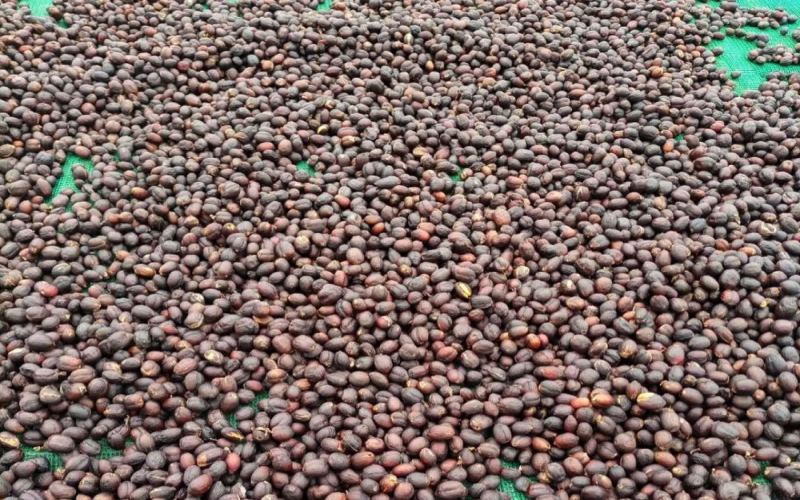
Ethiopia is the birthplace of coffee and one of the important producing regions of the Geisha variety. Unlike American producing countries such as Panama, Ethiopian coffee is mainly grown by smallholders, with complex varieties, mostly exported under the name "heirloom". This article focuses on Front Street's recommended Grana Estate Geisha, covering everything from the producing region background and processing station information to the sun-dried process and brewing methods. This coffee is grown at an altitude of 1,600 to 1,900 meters, uses sun-dried processing and a medium-light roast, and features aromas of perfume, red-fleshed dragon fruit, lime, and apricot, making it suitable for pour-over, cold brew, and other brewing methods. The article also includes cold brew steps and storage suggestions for coffee lovers' reference. [more…]
Indonesian West Java Arimani Honey Process Coffee Flavor Analysis and Pour-Over Parameter Guide
The honey-processed Armani coffee produced in West Java, Indonesia, breaks the stereotype of Indonesian coffee as heavy, bittersweet, and earthy with its distinctive tropical fruit aromas and a clean, sweet finish. This bean comes from the Mount Tilu growing region at an altitude of 1,400 to 1,600 meters, and the honey process preserves the sweet flavors of ripe fruit. This article will guide you through a comprehensive understanding of this elegant offering, which scores as high as 92 points in cupping, covering the principles of the honey process, the terroir of the West Java region, the flavor performance of the Armani bean variety, and the pour-over extraction parameters recommended by Front Street Coffee. [more…]
A Complete Analysis of Panama's Coffee Regions: Hacienda La Esmeralda Geisha Grades and a Flavor Comparison of the Red, Green, and Blue Labels
Panama is a shining jewel on the coffee map of Central America, having set off a wave in the international specialty coffee world with the Geisha coffee beans from Hacienda La Esmeralda. From the perspective of Front Street Coffee, this article systematically reviews the geographical characteristics and flavor trends of Panama's four major producing regions, delves into the transformation journey of Hacienda La Esmeralda from a dairy farm to a Geisha legend, and breaks down one by one the criteria distinguishing Red Label, Green Label, and Blue Label Geisha in terms of altitude, plot, and processing method, while also including the Geisha flavor performance of Elida Estate and Janson Coffee Farm. Whether you are a beginner just encountering Geisha or an experienced enthusiast looking for brewing inspiration, you can gain clear flavor coordinates and practical brewing references from it. [more…]
A Detailed Guide to Panama Hacienda La Esmeralda Geisha Grades: Differences and Flavor Comparison of the Three Main Grades—Red, Green, and Blue Labels
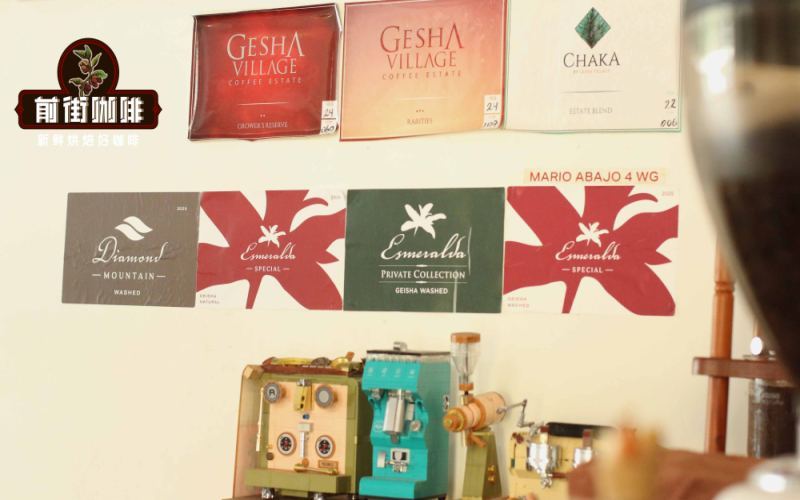
Panama's Hacienda La Esmeralda, with its refined Geisha grading system, has become a model emulated by many coffee estates. This article systematically sorts out the core differences among Hacienda La Esmeralda's three Geisha grades—Red Label, Green Label, and Blue Label—covering cultivation altitude, plot information, and blending models, while also providing an in-depth introduction to the estate's history, plot divisions, roasting recommendations, and brewing parameters. Front Street Coffee recently purchased the 2020 new-crop Blue Label Geisha, and by combining the cupping performance of the Red Label and Green Label, we guide you through a comprehensive understanding of the unique flavors and purchasing points of these three grades. [more…]
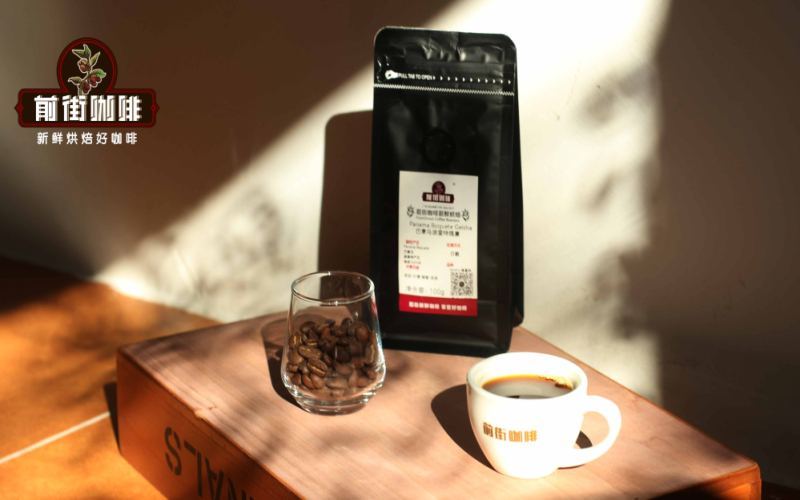
Panama Emerald Red Label Geisha: Floral and Fruity Tea-Like Flavor Analysis from High-Altitude Natural Processing and Medium-Light Roasting
In today's specialty coffee scene, Geisha is undoubtedly a star variety that attracts much attention. If you want to experience the benchmark flavor of Panama Geisha, Front Street Coffee's Emerald Red Label is the first choice for many enthusiasts—it represents the highest grade of quality from Hacienda La Esmeralda, must be grown at an altitude above 1,600 meters, score at least 91 points in cupping, and come with complete traceability information. Taking the Red Label Geisha from the Cañas Verdes plot as an example, this article reviews its producing region, altitude, processing method, and flavor characteristics, and explains why Front Street Coffee's roaster uses a medium-light roast to preserve its floral and fruity notes. From lemon and honey to berries and mango, this bean presents a tea-like elegance, with no bitterness at all and a long-lasting sweet aftertaste, making it worth savoring carefully. [more…]
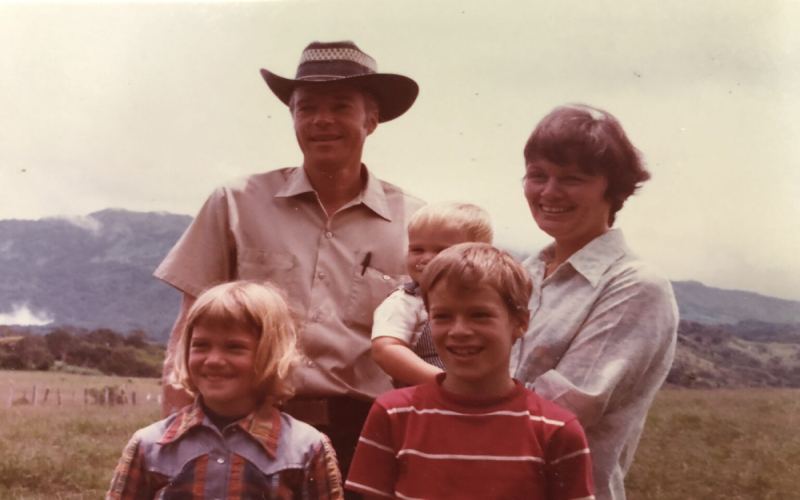
The Development History of Hacienda La Esmeralda Geisha Coffee and a Detailed Explanation of the Red, Green, and Blue Label Grade Classifications
Panama's Hacienda La Esmeralda is the starting point from which Geisha coffee rose to global fame. From the Peterson family taking over the farm in 1964 to Geisha winning first place in the BOP competition in 2004, this history became a legend in the specialty coffee world. This article will trace the evolution of Hacienda La Esmeralda's production areas and the discovery of the Geisha variety, with a focus on explaining the grading standards and differences among the three tiers: Red Label, Green Label, and Blue Label. At the same time, drawing on Front Street Coffee's sourcing experience, it will introduce the specific product information, flavor profiles, and pour-over extraction parameters for Red Label and Green Label Geisha, helping coffee enthusiasts gain a comprehensive understanding of this top-tier Geisha's origins and key tasting points. [more…]
A Complete Analysis of Jamaican Blue Mountain Coffee Flavor: The Unique Taste and Tasting Highlights of Front Street Blue Mountain No. 1
Blue Mountain coffee is hailed as the nobility among coffees, but the coffee genuinely produced in Jamaica's Blue Mountain region above 1,600 meters in elevation yields less than 900 tons annually, of which only about 10% is supplied to the global market outside Japan, meaning that only about 90 tons of authentic Blue Mountain coffee are available for consumption worldwide each year. Front Street Jamaica Blue Mountain No. 1 coffee, with its rich and balanced flavor, lingering fruity aroma, and extremely low caffeine content, has become a favorite among many coffee enthusiasts. This article will take you deep into the unique flavor characteristics of Blue Mountain coffee, its tasting methods, and why it can display an elegant aura of perfectly blended acidity, bitterness, and sweetness in the form of black coffee. [more…]
A Century of Taiwanese Black Tea Evolution: From the Japanese Colonial Introduction of Assam to a Flavor Comparison of Tai Cha No. 18 and Tai Cha No. 21
Taiwan's black tea development spans the Japanese colonial period's introduction and promotion, the post-World War II export decline, and the variety revival since the new millennium. In 1923, Assam tea seeds were introduced from India, and Sun Moon Lake became the most successful production area thanks to its 600-800 meter elevation and humid, misty climate. In 1936, the Taiwan Tea Research and Extension Station was established, and black tea once accounted for more than half of Taiwan's total output. After 1971, export trade shrank, and tea farmers switched to producing oolong tea. It was not until 1999 and 2008 that TRES successively released TTES No. 18 (Ruby Black Tea) and TTES No. 21, injecting new vitality into Taiwan's black tea. This article will trace this history, compare the flavor characteristics of the two representative varieties, and introduce the high-quality Taiwan black teas recommended by Front Street Coffee. [more…]